No products in the cart.


"The Secret to "Timeless Radiance"
Why Prickly Pear Seed Oil Deserves, Needs, Desires, is starved for a
Place in Your 2026 Skincare Routine Explore our Prickly Pear Seed Oil
Here in Arizona, we have a soft spot for desert plants. Prickly Pear is certainly one of them. But our appreciation for its seed oil comes down to something much closer to home: how it feels on the skin.
At Garden of Wisdom, we love ingredients that earn their place in a routine through everyday usefulness. Prickly Pear Seed Oil offers a lovely combination of softness, conditioning, and a silky finishing touch. A few drops can make a simple routine feel a little more complete.
If you are exploring prickly pear seed oil benefits in 2026, here is what we think is worth knowing before adding a bottle to your shelf.
What is Prickly Pear Seed Oil?
Prickly pear seed oil comes from the seeds of the Opuntia ficus-indica cactus. Our oil is sourced from Morocco. The cactus may look familiar to those of us in the Southwest, but the ingredient in the bottle has its own story and origin.
The words “prickly pear” can describe several different skincare ingredients. Seed oil, fruit extract, and cactus extracts are not interchangeable. They have different compositions and may serve different purposes in a formula.
When shopping, look for a clear ingredient list (not a clear oil) that tells you which part of the plant you are getting.
The commonly used INCI name for seed oil is Opuntia Ficus-Indica Seed Oil.
What Makes this Botanical Oil Incredibly Interesting?
Prickly pear seed oil contains fatty acids, including linoleic acid, along with naturally occurring components such as tocopherols, forms of vitamin E. Its composition can vary with growing conditions and processing.
These details help us understand an ingredient, but we also care about the experience of using it.
There is research into prickly pear oil and other cactus ingredients, but laboratory findings do not automatically translate into visible results on a person's face. We keep our expectations grounded in what a facial oil can offer: conditioning, softness, and a comfortable finishing layer.
Prickly Pear Seed Oil Benefits For Your Routine:
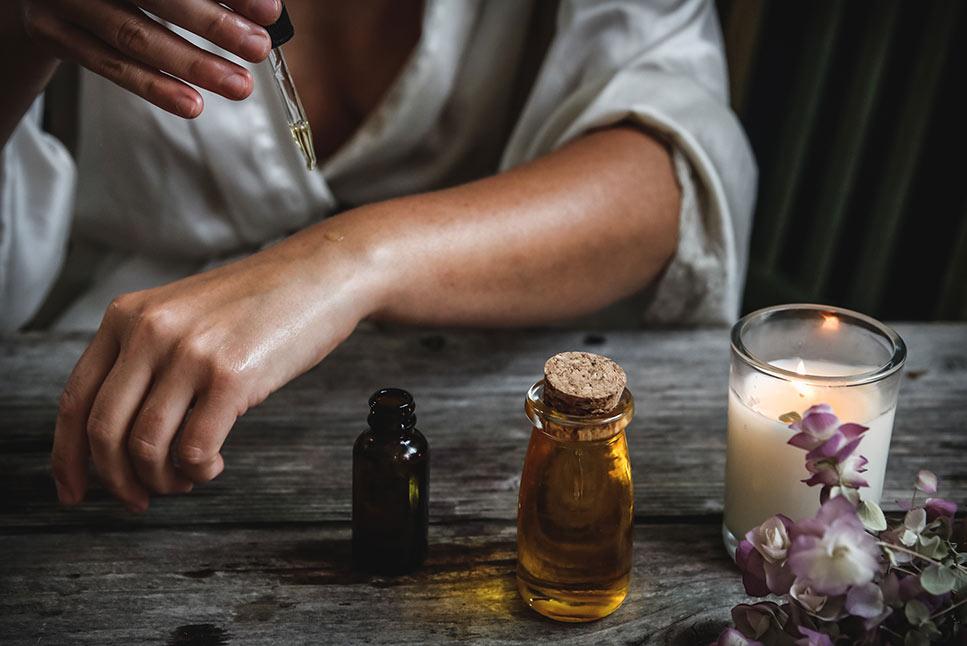
An oil can help soften the feel of dry or rough skin and leave it looking more supple. It can also help reduce moisture loss when used alongside the hydrating products in your routine.
The oil itself is not a hydrator, but it does hold hydration to the skin.
There is an important distinction here. Oils do not add water to the skin. A water-based serum or moisturizer provides a different kind of support, and a facial oil can complement that step.
If your skin enjoys both, think of them as partners. Apply your water-based products first, then use a small amount of oil to finish. You do not need to replace a moisturizer that is already working well for you.
Who Might Enjoy Prickly Pear Seed Oil?
“Who wouldn’t? That’s my personal opinion, anyway!” ~ Markey
We think it is worth considering if you enjoy facial oils, want a softer skin feel, or prefer to adjust your finishing step a drop at a time.
Dry or mature skin may appreciate that extra conditioning. Combination skin may prefer a smaller amount or application only where it feels needed. Individual preferences matter more than a broad skin-type label.
For blemish-prone skin, introduce it cautiously and watch how your skin responds. No botanical oil comes with a promise that it will never contribute to congestion. Prickly Pear Seed Oil is not an acne treatment, and a trend should never overrule your skin's experience.
How to Use Prickly Pear Seed Oil:
Start with a patch test before making it part of your regular routine. Once you know your skin tolerates it, begin with a small amount.
Avoid mixing the oil directly into sunscreen, which should be applied according to its own directions. If your skin feels overly coated, try less oil next time. A little experimentation can help you find the amount you and your skin will enjoy.
Is Prickly Pear Seed Oil the Best Organic Skincare Choice For You?
There is no single best skincare product for everyone. The most useful choice is one that suits your skin, your preferences, and your routine.
If you are specifically seeking organic Prickly Pear Seed Oil, look for clear documentation supporting that description. “Natural,” “Pure,” and “Organic” mean different things. A botanical ingredient's name alone does not establish organic status.
We also suggest looking beyond a headline. Check the ingredient identity, sourcing information, and storage directions. Keep your bottle closed and away from excess heat and direct sunlight, and follow the product's care guidance.
A Little Desert Wisdom
Our approach to skincare has always left room for simple ingredients used thoughtfully. Prickly pear seed oil fits that approach beautifully. It can be a small finishing step that brings a welcome touch of softness to your day.
Quiet Note
Your skin does not need to follow every trend. If a few drops leave it feeling comfortable and conditioned, that is a perfectly good reason to keep them in your routine.
Explore our Prickly Pear Seed Oil