No products in the cart.


Shelf Life and Storage Information for Our Products and Ingredients
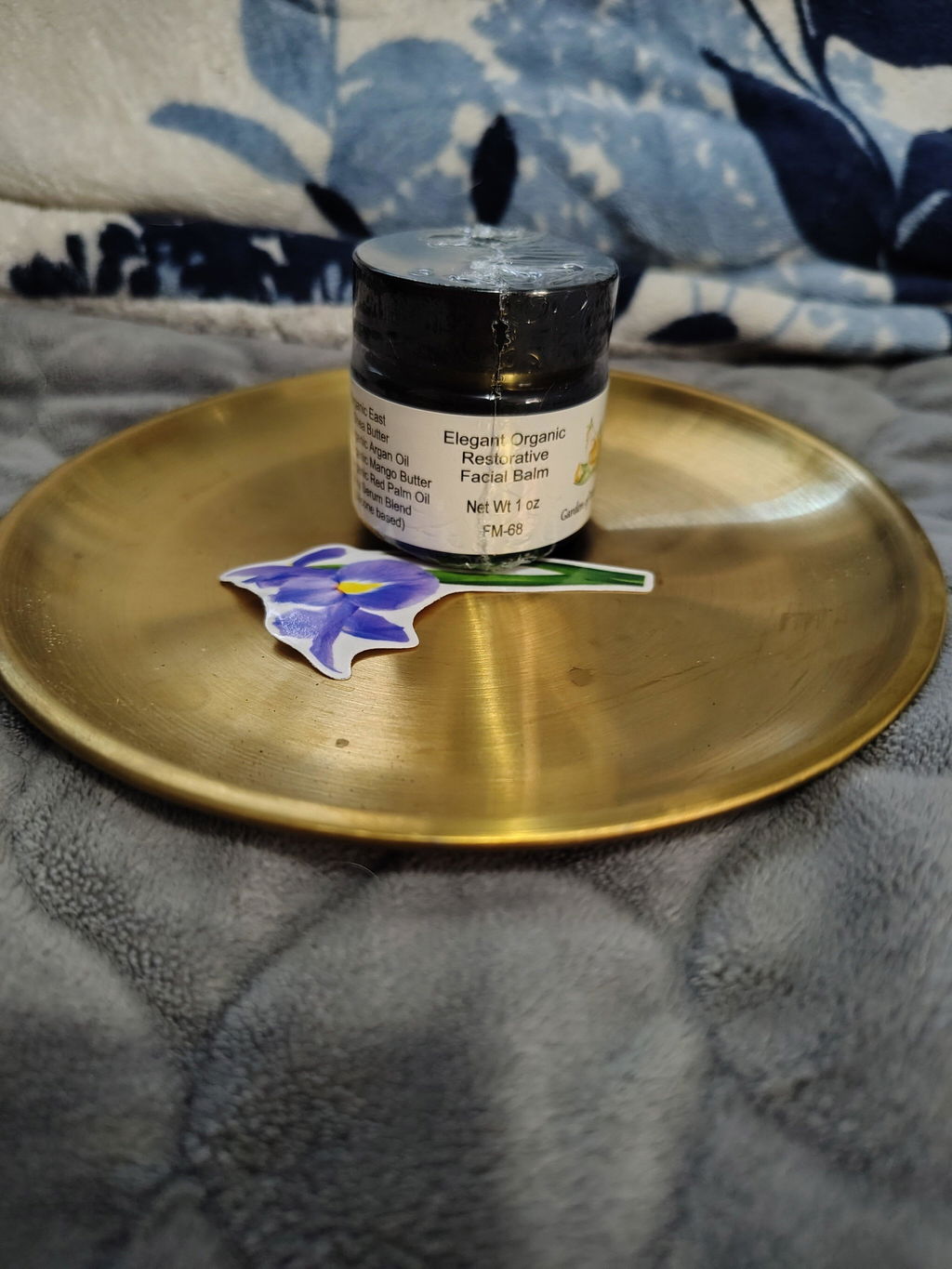
Finished Products - generally don't need to be refrigerated as they are preserved, but you can refrigerate them to extend their shelf life. The shelf life for most products is 9-12 months. Vitamin C Serum(s) and VitaResurface products should continually be refrigerated to extend their shelf life.
Sample Sizes - do have a shorter shelf life (generally 3-6 months), and items in jars can dry up quicker than this if the lid is not tightened well enough (Vitamin C Serums - use within 90 days).
Please Keep Your Products Out of Humidity, Heat, Direct Light and in a Dark Cabinet When Possible
Exfoliating Acid - products have a shelf life of 9-12 months. The only things we don't suggest refrigerating are the Mandelic Acid Serums or Salicylic Acid Serums, as they can crystallize in the refrigerator. If this happens, you can set the product into a hot water bath to see if the crystals will dissolve.
Additional Items That Require Refrigeration and/or Kept in the Dark
Hydrosols and Distillates - remove 1 ounce of hydrosol and add it to a separate, sterilized spray bottle and spritzer. Keep the larger bottle in the refrigerator.
Carrier and Exotic Oils - generally refrigerate all carrier oils, although some very rich oils will solidify. This is fine. All you have to do is take the oil out, warm it up at room temperature, and it should liquefy. If not, set the bottle in a hot water bath and occasionally shake the bottle, which will hopefully turn into a liquid. Some oils, like coconut cream and jojoba oil, have a super long shelf life.
Refrigeration of The Following Ingredients is Not Necessary, But it Won't hurt
Essential Oils - essential oils are best stored in a cool, dark place.
Co2 Extracts - these should continually be refrigerated.
Butters - we suggest refrigerating our "skincare" butters. You can remove
what you need and keep the rest in the fridge.
Clays - keep in a dry, dark place. Shelf life is at least 2 years.
Herbs All herbs <i>(whole or ground)</i> should be kept in a dark, cool, and dry location.
Herbal (liquid) Extracts are created using grain alcohol. The alcohol pulls the constituents (properties) from each herb, root, trunk, leaf, and flower. They have a shelf life of 3-5 years.
They can be stored in the refrigerator or a dark, dry place.
Other Raw Ingredients - such as Sodium PCA, Honeyquat, Oat Beta Glucan, etc., will all have different shelf lives.
Shipping Transit Note:
Some customers have asked whether products can be affected by time in transit, especially during warmer months. Our products are formulated and preserved to remain stable during normal shipping times and should not spoil simply from being in transit.
That said, if you are concerned about heat exposure, you are welcome to add an ice pack to your order for extra peace of mind. Click here to add an ice pack.