No products in the cart.


Alcohol appears in many skincare formulations, often as a botanical extraction medium. This article explains when alcohol is used, what role it plays, and how we approach transparency in our formulations.
Frequently Asked Questions About Alcohol in Skincare
Is alcohol bad for skin?
Alcohol is neither inherently good nor inherently bad. Its impact depends on type, concentration, and purpose within a formula. In skincare, alcohol is often used as a solvent or extraction medium rather than as a primary functional ingredient.
Why is alcohol used in botanical skincare?
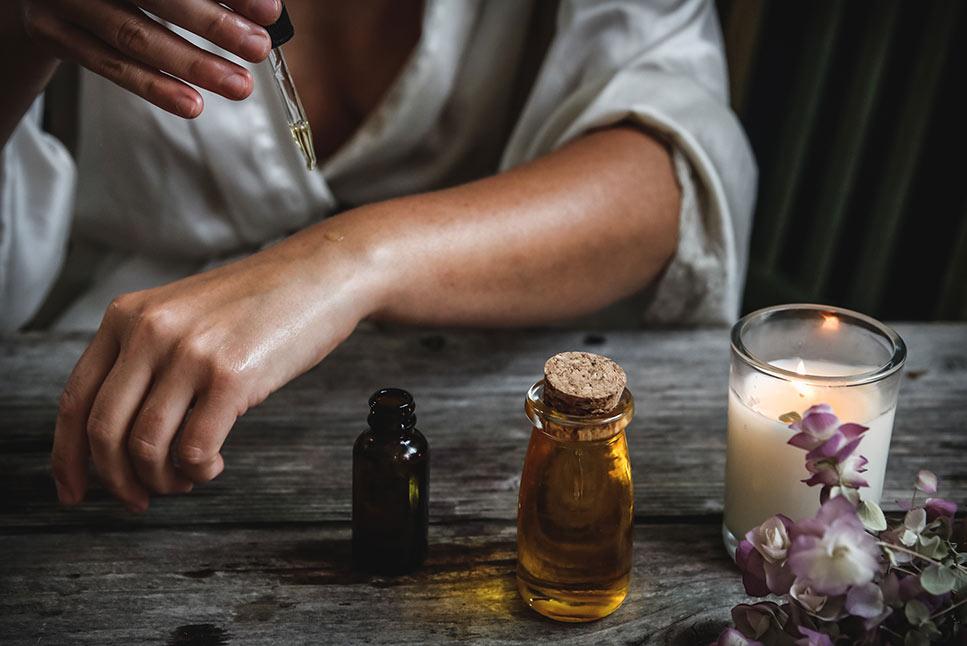
Alcohol is effective at extracting and preserving certain plant constituents that water alone cannot. For this reason, it has been used for centuries in herbal preparations and botanical skincare.
Is the alcohol in your products denatured?
No. When alcohol is used in our formulations, it is non-denatured alcohol, primarily present as part of a botanical extract rather than added for sensory effect.
How much alcohol is typically present?
Alcohol used as part of an extract is diluted into the final formula. The exact amount varies by product and formulation, but it is included intentionally for function, not as a base ingredient.
Is alcohol common in scalp and hair products?
Yes. Alcohol has long been used in scalp treatments, follicle-focused formulas, and hair tonics, particularly those containing botanical extracts. Its role is typically related to extraction and delivery rather than styling or drying effects.
Do you list alcohol clearly when it’s present?
Yes. Transparency matters to us. Alcohol is listed clearly in the ingredient list whenever it is part of a finished product.
Is alcohol necessary in all formulations?
No. Some extracts and formulations work well without alcohol, while others benefit from it.
We choose extraction methods based on the needs of the plant material and
the overall formulation, not a single rule applied everywhere.